Trip hazards in a period cottage: where to look, what to fix
Period cottages in Cirencester and the villages have character. They also have uneven floors, odd-sized steps, low lintels, and the kind of quirks that nobody notices until a parent, grandparent, or visiting relative comes a cropper.
Most of this is fixable without gutting the place. A lot of it's fixable in an afternoon. The trick is knowing where to look, and being honest about what's actually a hazard versus what's just an eccentric feature.
Front door and hallway
The two usual suspects:
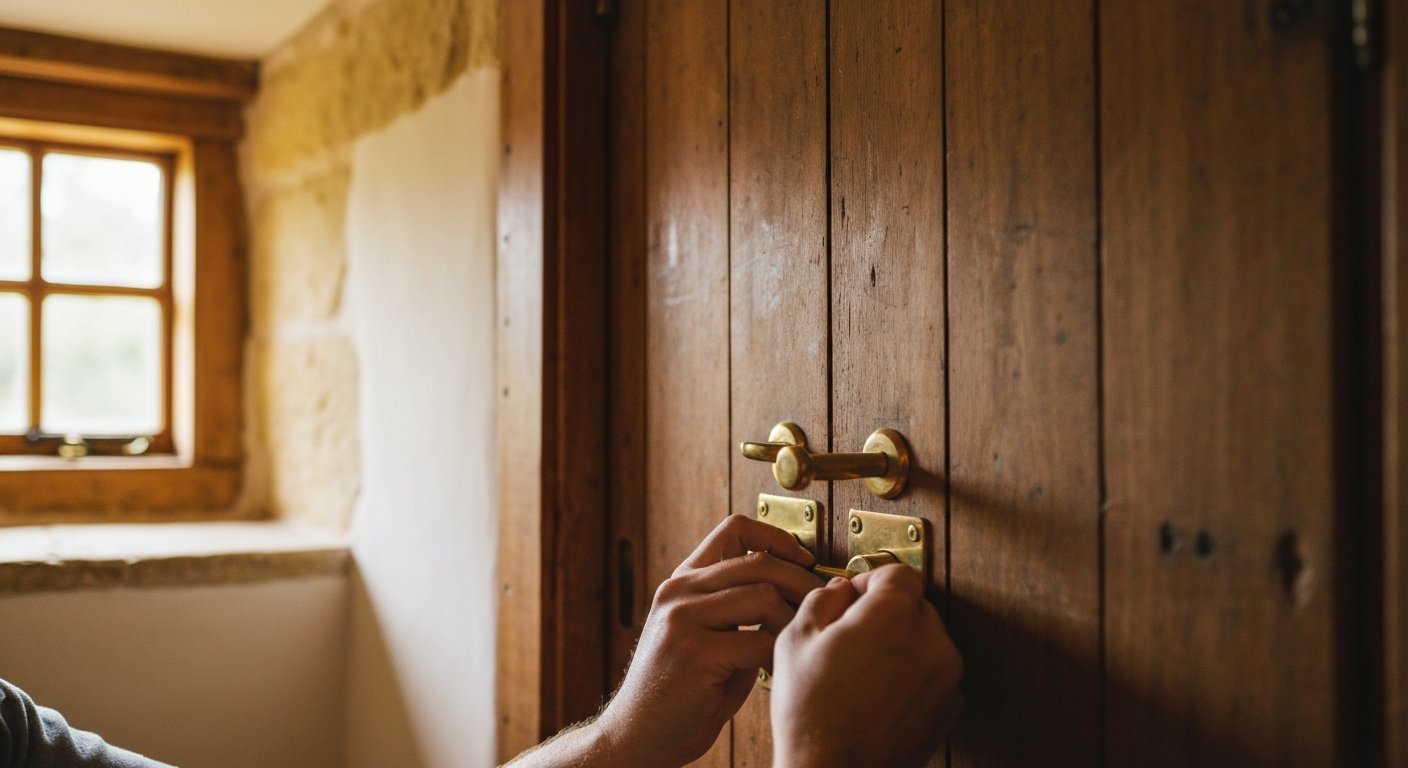
- The step down from the front door into the hallway or porch. Often no handrail. Often the light's on the wrong side. A grab handle on the door frame, and a sensor light that triggers as you open the door, make a huge difference.
- A loose doormat. Amazing how many falls happen at your own front door. A mat that curls at the edges is an ankle waiting to go over. Tape the corners down with double-sided carpet tape, or swap for a mat with a proper rubber backing.
Stairs
Cottage stairs are almost never to modern regulation. Steep, narrow treads, a tight turn at the top. Three things to check:
- The handrail. Is it on both sides? If not, why not? A handrail on the second side is usually a morning's work. Continuous from bottom to top, no gaps where hand transfers are awkward.
- The light switches. One at the top, one at the bottom, both working. A two-way switching setup is standard but I see loads of old cottages where one of them has never worked properly.
- The top and bottom tread. First and last steps are where falls happen. A non-slip edging strip (clear or matching the carpet) is a tiny bit of prevention.
Kitchen
Older kitchens have their own personality. Trip points are:
- Flagstone floors. Beautiful, uneven, and sometimes with a lip between one stone and the next that's been there for 200 years. Worst offenders can be levelled with a thin mortar wash, but you have to be careful not to spoil the look. More often I put a rug or a mat in the transition zone with proper underlay.
- A step into or out of the kitchen from an older part of the house. Period extensions rarely match floor levels. A clear strip of contrast colour on the nose of the step (a different-coloured vinyl edging or a painted strip) makes it visible even at dusk.
- The mat by the sink or oven that scoots around. Same fix as the doormat. Double-sided tape or a non-slip backing.
Bathroom
The wet room of the house and statistically the most dangerous. Covered in more detail in my post on grab rails. Short version: non-slip bath mat inside the bath, stable mat outside on the floor, grab rail where the hand naturally reaches, and adequate light (50% brighter than most people have).
Bedrooms
- The rug beside the bed. First thing a foot lands on in the morning. If it slides, it's trouble. Either tape the back down, use a non-slip rug pad, or remove it.
- The cable from the bedside lamp. Running across the floor at ankle height. Route it round the edge of the room or along the skirting with proper cable clips.
- The wardrobe door that won't close. Swings open in the night. Catches a foot at 4am. Fix the hinge adjustment (see my post on cabinet doors).
Garden and outside
Often overlooked in a safety walkthrough. Top of the list:
- Uneven Cotswold stone flags on the patio or path. A lift of more than 20mm is a trip hazard.
- Moss or algae on the stone. Slippery when wet. See my patio cleaning post.
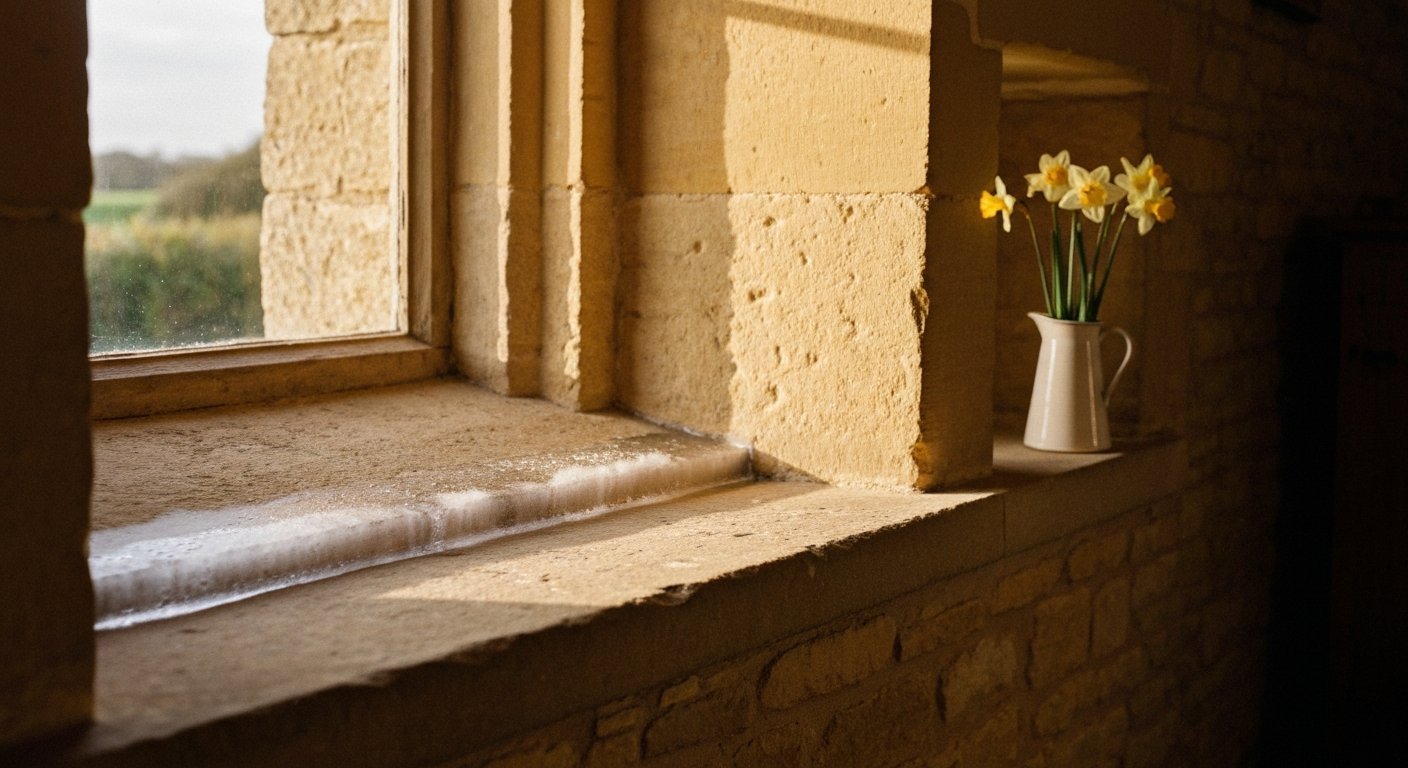
- The gap between the back step and the patio. Often a stone has sunk half an inch. Not enough to notice until someone does.
- A handrail on any step change.
What a walkthrough looks like
I do these for families of older parents fairly regularly. It's an hour, room by room, with a notepad. I list what's a trip hazard, what's easy, what's worth doing, what can be left. Then I give a separate quote for the actual fixes. No pressure to use me. Some people just want the list. Some people want me back the following week to tick half of it off. Both fine.
£55 for the walkthrough. Any fixes done on the day come off that flat rate.
Worried about an older parent at home?
A home safety walkthrough is a flat £55 for the first hour. I go room by room, make notes, and talk through what's easy, what's worth doing, and what can wait.
Home safety check