Can you fit a keysafe to a listed property in Cirencester?
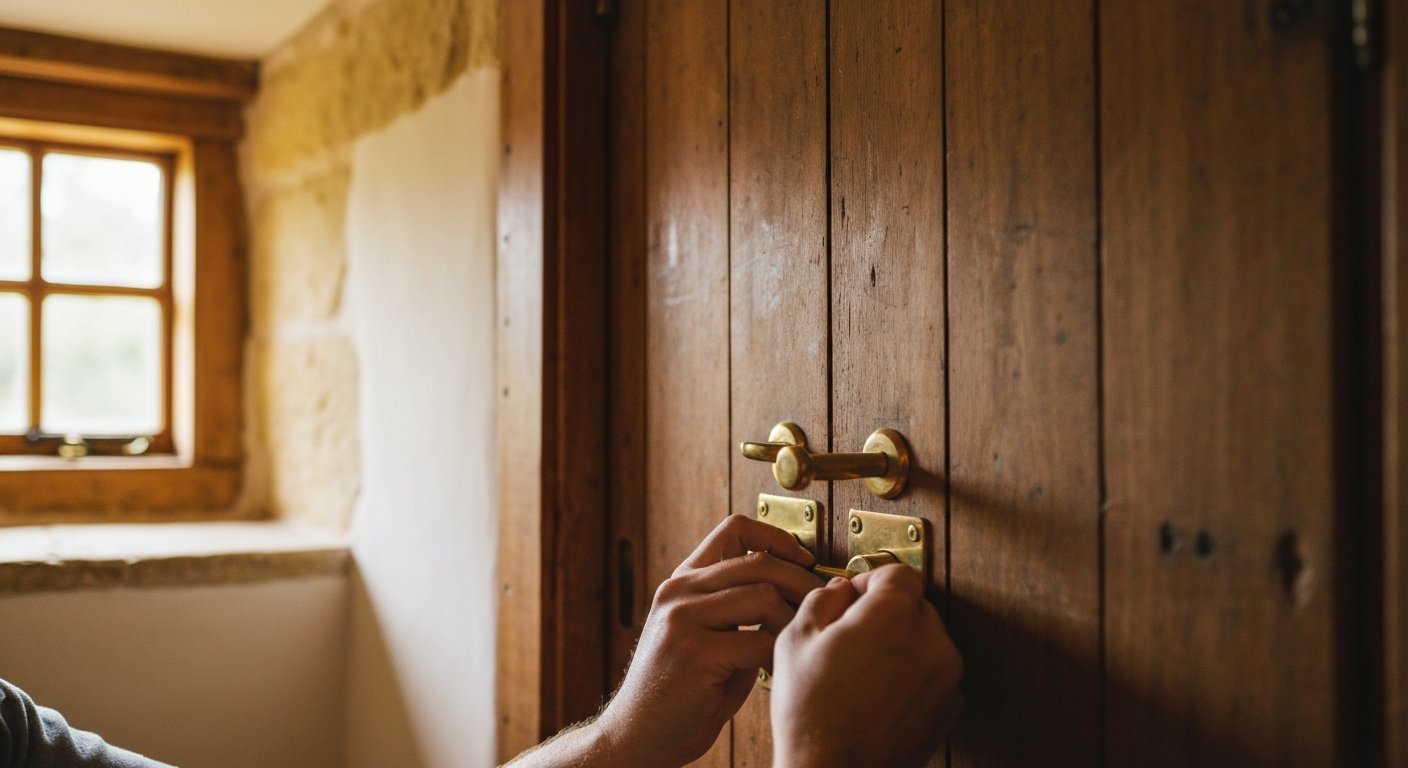
Keysafes are brilliant. Until they're not. For carers dropping in for an elderly parent, for the cleaner who comes on a Thursday, for the family member who lives in Swindon and needs to get in if mum has a fall. I fit a lot of them. They keep people independent.
The awkward bit is when the house is listed or in a conservation area, which, in central Cirencester, a lot of them are.
Is listed building consent needed?
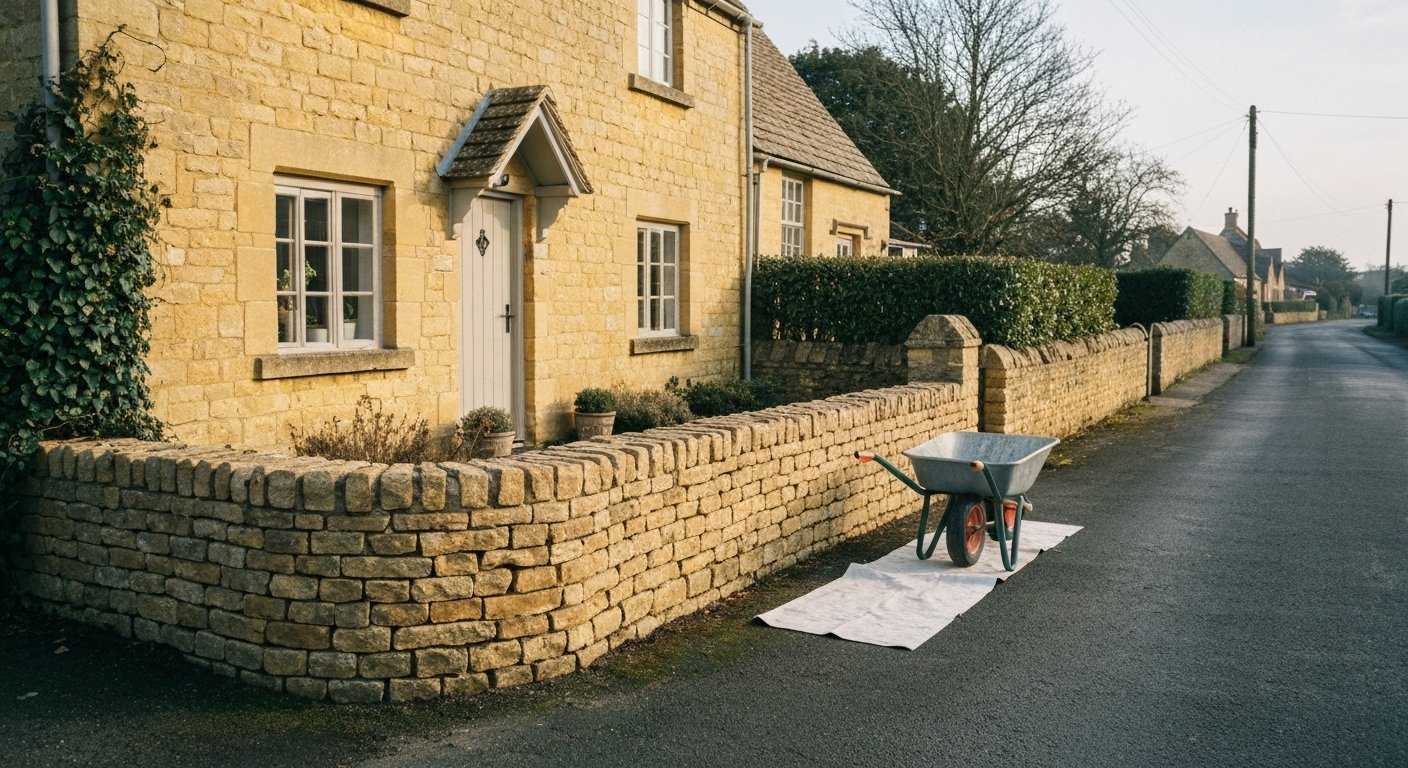
Officially: if the fixing affects the external appearance of a listed building, consent is required. A keysafe screwed to the front of a Grade II cottage on Coxwell Street almost certainly needs it. A keysafe on a garden wall at the back of the property, out of public sight, probably does not, but the safest thing is always to ask.
Cotswold District Council's planning team is approachable, and they'll usually give you a steer in a phone call without you having to submit a formal application. Tell them exactly where you're proposing to put it and what it looks like. They've seen hundreds of these.
The thing to avoid is drilling into anything original. A 1980s garage extension with a painted render finish is fair game. A 17th-century stone quoin on the front elevation is not, unless you've got written consent.
Go for a police-approved box
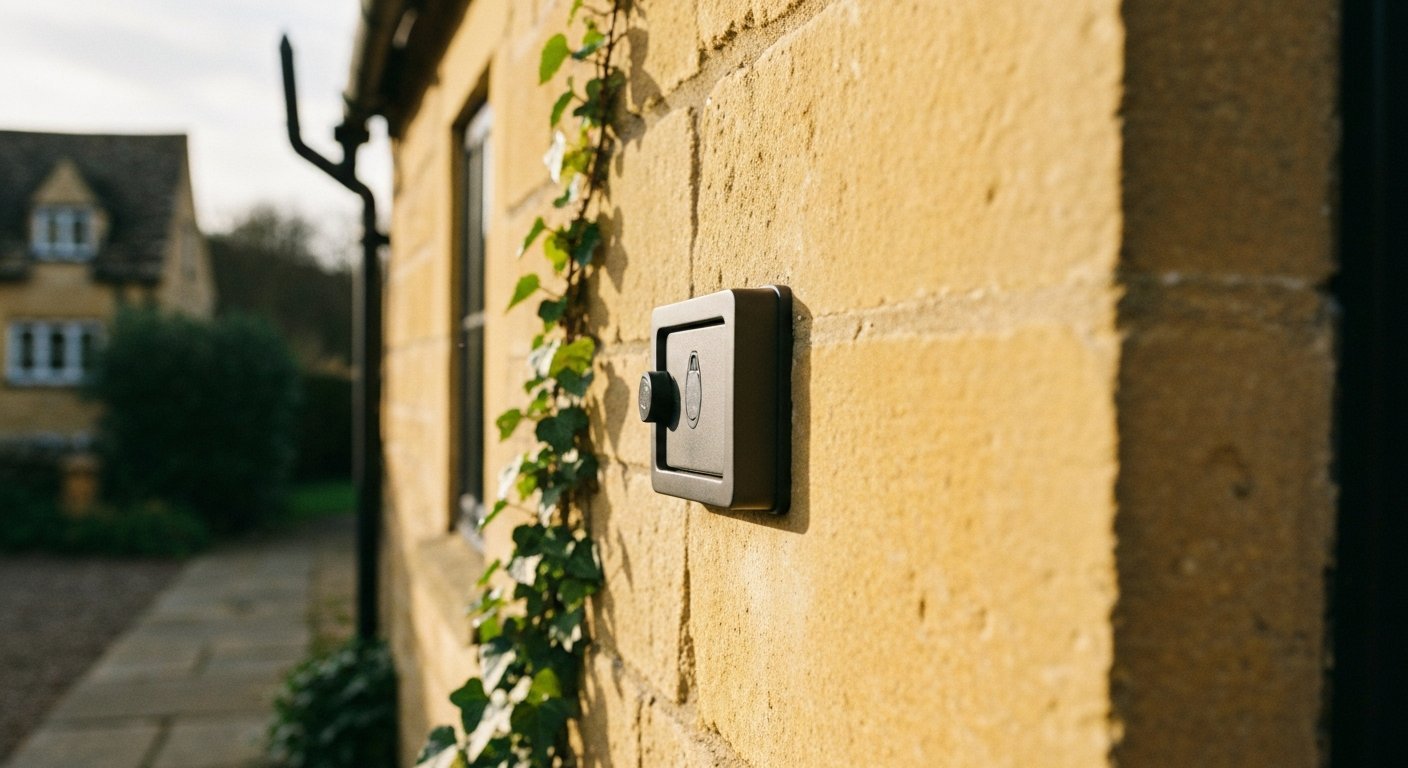
The standard to look for is LPCB Sold Secure SS304. It's the spec the police recommend and the one most insurers will accept. If you ever need to claim on a burglary, you'll want to know the keysafe wasn't the thing that let them in.
Cheap keysafes from the big online sites can be broken into in under a minute with a simple impact tool. A Sold Secure SS304 box will typically resist 10 minutes of serious attack. Which, on a front wall of a quiet Cotswold street, is usually enough to stop anyone from even trying.
Where to put it
My order of preference, listed or not:
- On the side or rear of the house, out of the pavement's line of sight. Usually means a side gate or a back wall.
- On a modern extension or addition, where the fixings don't affect the historic fabric.
- On a freestanding garden wall, if there's one already there.
- On the front only as a last resort, and only after checking with the council.
Height matters. Too low and anyone can stoop and shoulder it. Too high and your 85-year-old mum can't reach the keys. I aim for roughly the same height as a standard door handle, around 95cm to 105cm from the ground.
What if the council says no?
There's always a way. I've used:
- A combination lockbox on a free-standing post, buried in a concealed spot in the garden. Not attached to the building.
- A wall-mounted keysafe on a lean-to or shed that's not listed in its own right.
- An electronic smart lock on the existing door, so there's no physical key left outside. For listed front doors this is often fine because you're not changing the outward appearance, just the mechanism behind it.
A word on placement for carers
If you're fitting one for a care agency, check what access they'll need. The carers I speak to say their biggest frustration is keysafes tucked round the back behind an overgrown bush at dusk. Clear the bush. Add a sensor light. Tiny things. Huge difference.
I'll be honest, I wish more people thought about the carer's experience and not just the security. Both matter.
Thinking about a keysafe?
I fit them regularly for carers, relatives, and cleaners. Usually 30 minutes on a standard house. Listed properties need a chat first, but we can sort it.
Home safety check